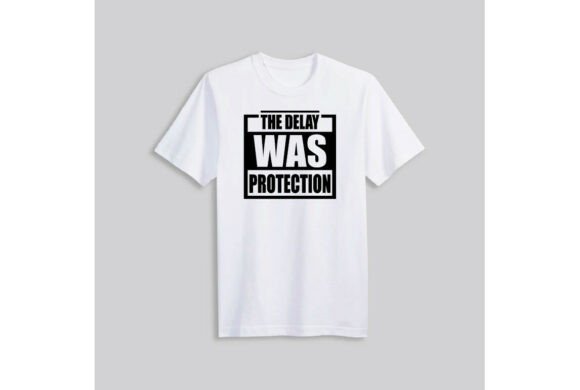
The Delay Was Protection
As an embroidery designer and product reviewer, I always start by evaluating a new design with a critical eye. The Delay Was Protection is a unique piece that offers a subtle yet powerful message. Its minimalist aesthetic makes it versatile, but it also comes with considerations that every embroiderer should be aware of before using it in real projects.
First Impressions: A Design That Speaks Volumes
The Delay Was Protection immediately catches the eye with its clean lines and thoughtful composition. It’s not overly complex, which is a big plus for those looking for something that can translate well across different fabrics and project types. The design has a modern, almost abstract feel that could work in both casual and more formal settings.
Its layout is balanced, making it ideal for items like tote bags, sweatshirts, or baby clothes where simplicity and clarity are key. The theme feels relevant to today’s conversations around safety, awareness, and personal space—making it a strong choice for personalized gifts or custom apparel.
Real-World Embroidery Use Cases
When considering The Delay Was Protection for real-life use, it’s important to think about the type of project it will be part of. For example, if you’re creating a custom embroidered tote bag for a client, this design would fit well as a subtle statement piece. It’s also suitable for sweatshirt embroidery, especially for brands or shops that want to convey a message without being too direct.
For baby items, The Delay Was Protection could work as a gentle reminder on onesies or blankets. However, I’d advise against using it on very small items like patches or caps unless the design is scaled appropriately. The details might get lost in smaller formats.
It’s also worth noting that this design could serve as a great addition to holiday or wedding gifts. Its understated nature allows it to blend into various themes without clashing. As a digital embroidery file, it could be used in printable mockups or as part of a larger set of design assets for craft businesses.
Where to Be Cautious
While The Delay Was Protection is visually appealing, there are some situations where it may not perform as well. If you're working with small hoop sizes, the design might require resizing or simplification to maintain its integrity. Textured or stretchy fabrics could also pose challenges, as the stitch density might not hold up as expected.
On dark fabrics, the design might not stand out as much unless you choose a contrasting thread color. Thin or delicate materials may also need extra stabilizer to prevent puckering or distortion. For curved surfaces like caps or hats, the design might need to be adjusted slightly to ensure even stitching and a professional finish.
If you're planning to use The Delay Was Protection on layered garments or products that require frequent washing, be sure to test it first. Some designs can lose their shape or clarity over time, so it's best to confirm how it holds up under real conditions.
Impact on Visual Appeal and Customer Perception
One of the biggest advantages of The Delay Was Protection is its ability to add visual interest without overwhelming the viewer. It’s a great choice for handmade products that aim to make a statement while maintaining a sense of elegance. When stitched properly, it can elevate the overall look of a finished product and increase its perceived value.
From a customer perspective, this design could generate interest and conversation. People often appreciate pieces that carry a meaningful message, and The Delay Was Protection does just that. It’s also a good option for personalized gifts, as it can be easily adapted to suit different tastes and preferences.
For small shop owners or Etsy sellers, this design could be a valuable addition to your inventory. It’s versatile enough to work across multiple product types, and its simplicity makes it easy to integrate into your branding strategy.
Practical Tips for Embroidery Designers
Before using The Delay Was Protection in any project, I recommend testing it on scrap fabric. This will help you see how the design looks in different thread colors and on various fabric types. Pay attention to the stitch density—too much could cause the design to look busy, while too little might make it appear incomplete.
Check the hoop size required for the design and make sure your machine can handle it. If you’re working with intricate details, consider whether they’ll translate well to your chosen fabric. Also, test the design in black and white mockups to see how it looks without color contrast.
Lastly, make sure to review the licensing terms before using The Delay Was Protection in commercial projects. While it’s listed as a freebie, understanding the rights you have is crucial for protecting your business and your clients.
Final Thoughts
The Delay Was Protection is a design that balances subtlety with meaning. It’s a solid choice for a variety of embroidery projects, from custom apparel to personalized gifts. However, like any design, it requires careful consideration of fabric type, stitch density, and hoop size to achieve the best results.
For designers and crafters looking for a fresh, modern piece to add to their collection, The Delay Was Protection is worth exploring. Just remember to approach it with the same care and attention you’d give any other embroidery file, and you’ll be rewarded with a professional, polished finished product.