Piter: Graffiti Lettering Review
As an embroidery designer and product reviewer, I’ve seen thousands of designs come and go. Piter stands out as a bold, expressive piece of graffiti lettering that could work well in the right context. Let’s break down what this design offers and how it might fit into your next project.
The First Impression
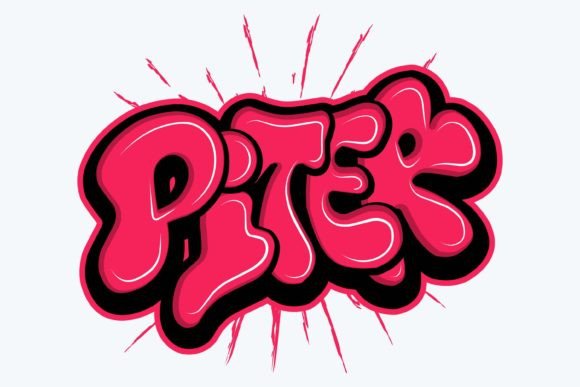
Piter immediately grabs attention with its raw, edgy aesthetic. The typography feels like it was spray-painted onto a brick wall, complete with subtle imperfections that add character. The layout is clean but aggressive, making it ideal for projects that need a strong visual punch. This isn’t a design for delicate baby items or minimalist branding—it’s for something that wants to stand out.
The detail level is decent, with enough texture to make it feel hand-crafted. It’s not overly complex, which means it should translate well to machine embroidery without getting lost in the stitching. The shape and theme suggest it would work best on larger surfaces where the graffiti style can really shine.
Real-Life Embroidery Use Cases
Imagine you’re working on a custom embroidered tote bag for a local café. Piter could be the perfect statement piece. Its bold lines and graffiti vibe would look great on a cotton canvas tote, especially if you’re going for a streetwear or urban theme. It also has potential for sweatshirts, caps, and aprons—items that often benefit from a bit of attitude.
For baby items, Piter might be too intense. But if you’re designing a nursery wall art or a decorative pillow, it could add a unique touch. The key is to match the design with the product’s purpose. A graffiti-style embroidery might not be the best choice for a soft, pastel-themed baby onesie, but it could work wonders on a durable, textured item like a denim jacket or a leather backpack.
Where to Be Careful
While Piter is visually striking, it’s not a one-size-fits-all design. On small hoop sizes, the details might get lost. If you’re planning to use it on a cap or a patch, you’ll need to scale it appropriately. Thin or stretchy fabrics could cause the stitches to pucker, so using the right stabilizer is essential.
On dark fabrics, the design might not show up as clearly as it does on white or light backgrounds. You’ll want to test it on different colors to see how the thread contrasts. Tiny lettering or intricate corners could be challenging, especially if the stitch density is too high. It’s worth checking the file’s complexity before committing to a large project.
Impact on Visual Appeal and Product Value
Piter adds a sense of authenticity and edge to any project. When stitched correctly, it can elevate a simple tote bag into a standout piece. Customers often gravitate toward designs that feel unique and personal, and Piter delivers on that front. It’s the kind of design that makes a handmade product feel more like an original artwork than a mass-produced item.
From a commercial standpoint, Piter could be a valuable asset for an Etsy seller or a small shop owner looking to offer something different. It works well for holiday gifts, personalized items, and boutique merchandise. However, it’s important to consider your target audience—this isn’t a design for everyone, but for those who appreciate a little rebellion in their fashion or decor choices, it could be a hit.
Practical Designer Notes
Before jumping into a project, always test Piter on scrap fabric. This will help you understand how the design behaves on different materials and with various thread colors. Pay close attention to the stitch density—too much could lead to puckering or a stiff finish.
Check the hoop size required for the design. If it’s too large for your machine, you may need to split it or adjust the layout. Also, make sure to review the design in black and white mockups to see how it looks without color. This helps identify any issues with contrast or visibility.
When using Piter on layered garments or curved surfaces like caps, be mindful of how the stitches lay. A poorly placed design can look uneven or distorted. For commercial projects, confirm the licensing terms before selling finished products or digital files. Even though Piter is labeled as a freebie, it’s always better to double-check the usage rights.
Final Thoughts
Piter is a strong, versatile design that brings a fresh energy to any embroidery project. It’s not for every application, but when used correctly, it can make a big impact. Whether you’re creating custom apparel, personalized gifts, or boutique merchandise, Piter has the potential to add a unique flair that sets your work apart.
As with any machine embroidery design, success depends on how well you adapt it to your specific needs. With careful planning and testing, Piter could become a staple in your design library—especially if you’re targeting a creative, fashion-forward audience.